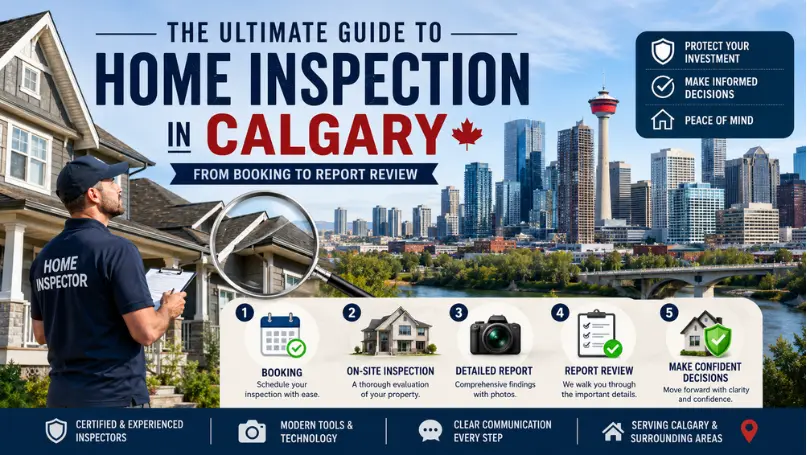
Buying or selling a home comes with plenty of excitement, but it also comes with risk. A property may look well-maintained during a viewing, yet underlying issues could be hiding behind walls, beneath flooring, or within major systems that aren’t visible to the untrained eye. That’s why a professional home inspection in Calgary is one of the most important steps in any real estate transaction.
Whether you’re a first-time buyer, a seller preparing to list your property, or a homeowner looking to stay ahead of maintenance issues, a home inspection provides valuable insights into a property’s overall condition. It helps you understand what you’re getting into before making a significant financial commitment.
In this guide, we’ll walk through the entire process, from booking a home inspection to reviewing the final report, while also highlighting common issues found in Calgary homes and what to do once the inspection is complete.
Why a Home Inspection Matters More Than You Think
Many people view a home inspection as a routine requirement, but it serves a much bigger purpose. A thorough inspection helps uncover issues that may affect the safety, functionality, or value of a property.
For buyers, it provides clarity before closing a deal. For sellers, it offers an opportunity to identify and address concerns before listing. Even homeowners who aren’t planning to move can benefit from periodic inspections to stay on top of maintenance and prevent costly repairs.
In Calgary, inspections are especially important because local homes face unique environmental conditions. Harsh winters, snow accumulation, freeze-thaw cycles, and hailstorms can all take a toll on a property’s structure and systems over time.
When Should You Schedule a Home Inspection?
The timing of a home inspection depends on your situation, but there are several key scenarios where it can provide significant value.
Buying a Home
Most buyers schedule an inspection after their offer has been accepted and before the purchase becomes final. This allows them to identify potential issues and make informed decisions before moving forward.
Selling a Home
A pre-listing inspection can help sellers discover problems before buyers do. Addressing concerns early often leads to smoother negotiations and fewer surprises during the transaction process.
Purchasing a Newly Built Home
Many buyers assume a newly constructed property won’t have any issues. However, even new homes can have defects, incomplete work, or installation problems that deserve professional attention.
Maintaining Your Current Home
A home inspection isn’t just for real estate transactions. Homeowners can use inspections as a proactive way to identify maintenance needs and protect their investment.
Choosing the Right Home Inspector in Calgary
Not all inspectors provide the same level of expertise, experience, or reporting quality. Choosing the right professional can make a significant difference in the value you receive from the inspection.
Before booking a service, look for:
- Experience inspecting Calgary properties
- Professional certifications and training
- Comprehensive and easy-to-read reports
- Positive client reviews
- Insurance coverage
- Additional services such as thermal imaging, mold inspections, or indoor air quality testing
Don’t hesitate to ask questions before hiring an inspector. Understanding what is included in the inspection and how findings will be reported can help set clear expectations.
What Happens Before the Inspection?
Preparation plays an important role in ensuring a smooth inspection process.
For sellers, this means making sure key areas of the home are accessible. Inspectors need access to places such as the attic, electrical panel, furnace room, garage, and crawl spaces.
For buyers, it’s helpful to gather any questions or concerns beforehand. If there are specific areas of the property that caught your attention during viewings, the inspection is a good opportunity to learn more about them.
The goal is to create an environment where the inspector can perform a thorough assessment without unnecessary obstacles or delays.
What Does a Home Inspection in Calgary Include?
One of the most common questions homeowners ask is what exactly an inspector examines during the process.
A professional inspection focuses on the home’s major systems and visible structural components. While every property is different, inspections generally include:
- Roofing systems and visible roof conditions
- Gutters, downspouts, and drainage
- Exterior walls, siding, and grading
- Foundation and structural elements
- Plumbing systems and fixtures
- Electrical panels, wiring, and outlets
- Heating and cooling systems
- Insulation and ventilation
- Windows and doors
- Interior walls, ceilings, and floors
- Basements, crawl spaces, and attics
The purpose is not to create a list of cosmetic imperfections but to identify conditions that may require repair, maintenance, or further evaluation.
Common Issues Found in Calgary Homes
Every region has its own housing challenges, and Calgary is no exception.
Foundation Movement
The city’s freeze-thaw cycles can cause soil movement, which may contribute to foundation cracks or settlement issues. While some cracks are minor, others may require closer attention.
Roof Damage
Calgary’s weather can be tough on roofing materials. Hailstorms, snow accumulation, and strong winds often contribute to roof deterioration over time.
Moisture Intrusion
Water is one of the biggest threats to any property. Inspectors frequently identify moisture issues around foundations, basements, windows, and roofing systems.
Ventilation Problems
Poor attic ventilation can contribute to condensation, mold growth, ice damming, and reduced energy efficiency.
Aging Electrical Systems
Older homes may contain outdated wiring, overloaded circuits, or electrical components that no longer meet modern standards.
Plumbing Concerns
Inspectors often encounter aging pipes, leaks, drainage issues, and plumbing materials that may be nearing the end of their lifespan.
What Happens on Inspection Day?
Many first-time buyers are surprised by how detailed the inspection process actually is.
The inspector typically follows a systematic approach, moving through the property while documenting observations and taking photographs. Depending on the home’s size and condition, the process usually takes between two and four hours.
If you’re the buyer, attending the inspection can be extremely valuable. It gives you the opportunity to:
- Ask questions directly
- Learn about home maintenance requirements
- Understand the significance of any findings
- Gain a better understanding of the property’s systems
An experienced inspector will often explain concerns as they arise and provide practical recommendations for maintenance or repairs.
Understanding Your Inspection Report
Once the inspection is complete, you’ll receive a detailed report outlining the findings
For many buyers, this report can feel overwhelming at first. It’s important to remember that even well-maintained homes will have some deficiencies or maintenance recommendations. A long report doesn’t necessarily mean the property is in poor condition.
Most reports include:
- Photographs of observed issues
- Descriptions of findings
- Safety concerns
- Maintenance recommendations
- Areas that may require further evaluation
The report serves as a decision-making tool, helping you understand the property’s condition and prioritize any necessary actions.
How to Review the Report Effectively
Rather than focusing on every item equally, it’s helpful to separate findings into categories.
Pay particular attention to issues involving:
- Structural integrity
- Roofing failures
- Electrical hazards
- Water intrusion
- HVAC system concerns
- Safety-related deficiencies
These issues can have a greater impact on both repair costs and long-term property value.
Smaller maintenance items, such as minor caulking repairs or cosmetic wear, should be noted but typically don’t carry the same level of urgency.
What Should You Do After Receiving the Report?
The next step depends on the findings and your role in the transaction.
Buyers often use inspection results to:
- Request repairs from the seller
- Renegotiate the purchase price
- Request credits for future repairs
- Obtain specialist evaluations
- Move forward with confidence
Sellers can use the report as a roadmap for addressing concerns that may affect future buyers.
The key is to make decisions based on the significance of the findings rather than reacting emotionally to a long list of observations.
Red Flags You Should Never Ignore
While most inspection reports include a mix of major and minor issues, some findings deserve immediate attention.
These include:
- Significant structural damage
- Active water leaks
- Extensive mold growth
- Electrical safety hazards
- Roofing failures
- Unsafe heating systems
If these concerns are identified, further evaluation by a qualified specialist may be necessary before proceeding.
Final Thoughts
A professional home inspection in Calgary provides far more than a checklist of defects. It offers a clearer understanding of a property’s condition, helps reduce uncertainty, and supports smarter decision-making throughout the buying, selling, or ownership journey.
From the moment you book the inspection to the day you review the final report, each step plays a role in protecting your investment and helping you avoid costly surprises down the road. Whether you’re purchasing your dream home, preparing to sell, or simply looking to stay proactive about maintenance, a thorough inspection can provide valuable peace of mind.
At Trueye Home Inspection Calgary, detailed inspections and easy-to-understand reports help clients make confident property decisions by providing the information they need when it matters most.