When you invest in a new home, it’s natural to assume that everything has been built perfectly. After all, builders are expected to follow building codes, and many homes come with “builder-grade” finishes that look clean and modern. However, there’s a big difference between builder-grade work and full compliance with building codes, and this is where a new build home inspection becomes invaluable.
At Trueye Home Inspection & Visual Service Inc., we combine decades of construction experience with advanced inspection tools to provide detailed, unbiased evaluations that go beyond the surface. This blog will explain the differences between builder-grade work and building code requirements, what inspectors check in new builds, and why hiring a professional is essential for your investment.
What Is Builder’s Grade?
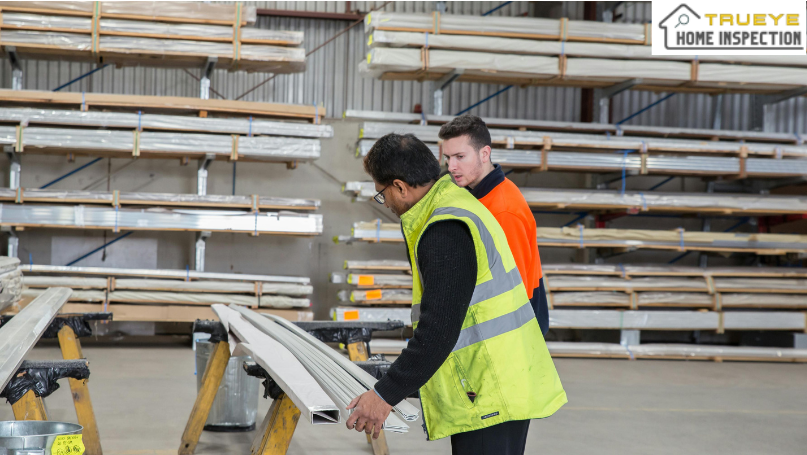
“Builder’s grade” refers to materials and finishes commonly used by homebuilders to keep construction costs reasonable while maintaining an attractive look. Examples include:
- Standard cabinets, countertops, and flooring
- Basic plumbing fixtures and lighting
- Standard paint, trim, and doors
While builder-grade materials are usually functional and visually appealing, they aren’t necessarily the highest quality or guaranteed to last as long as premium materials. More importantly, the aesthetic choices or minor shortcuts in finishing may not always comply fully with local building codes.
What Is Building Code?
Building codes are a set of regulations established by local or national authorities that dictate minimum construction standards. These rules are designed to ensure safety, structural integrity, and energy efficiency in residential and commercial buildings.
Some common areas covered by building codes include:
- Structural support and framing
- Electrical wiring and outlets
- Plumbing and water systems
- Heating, ventilation, and air conditioning (HVAC)
- Fire safety measures, such as smoke alarms and egress windows
- Insulation and energy efficiency standards
Unlike builder-grade materials, which focus on cost and style, building codes focus strictly on safety and compliance.
Why a New Build Inspector Is Essential
Even in newly built homes, issues can occur. Builders often work under tight timelines and budgets, and mistakes or oversights may happen. A new build inspector evaluates both the builder-grade workmanship and compliance with building codes to ensure your home is safe, functional, and durable.
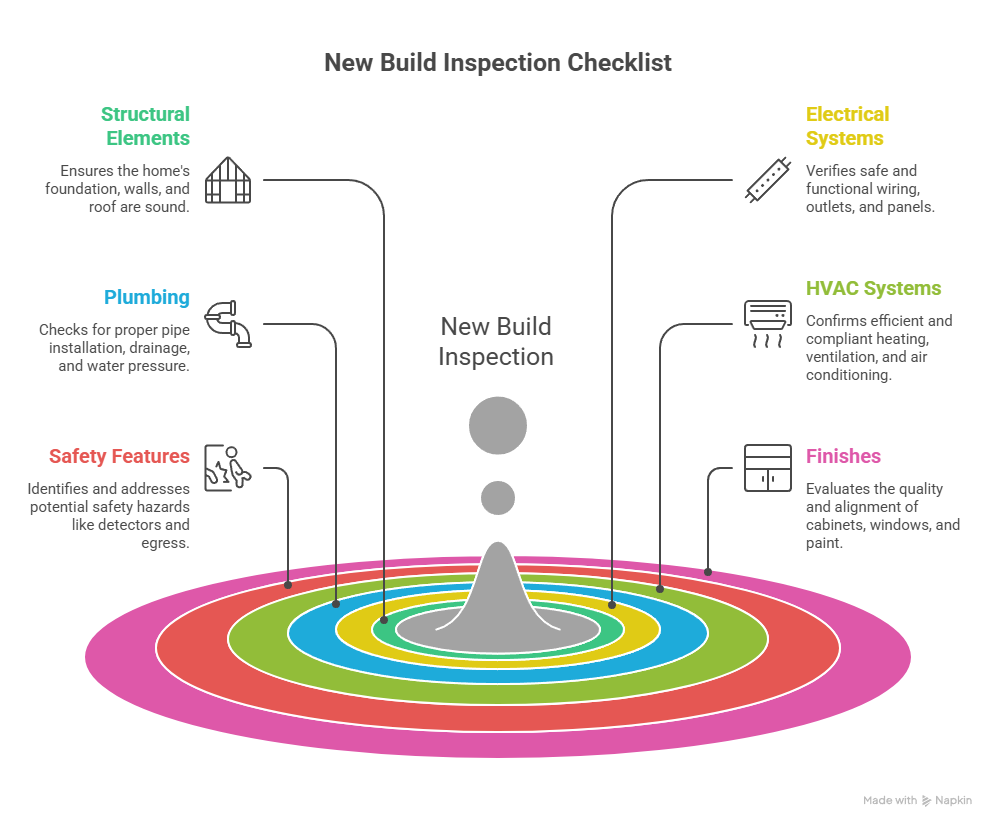
Here’s what inspectors like Trueye Home Inspection typically check:
1. Structural Elements
- Foundations, beams, and joists
- Load-bearing walls and framing
- Roof structure and attic integrity
2. Electrical Systems
- Proper wiring, outlets, and grounding
- GFCI protection in wet areas
- Electrical panels and breaker functionality
3. Plumbing
- Pipe installation and water flow
- Proper venting and drainage
- Leak detection and water pressure
4. HVAC Systems
- Furnace, air conditioner, and ductwork installation
- Adequate ventilation and airflow
- Compliance with energy efficiency standards
5. Safety Features
- Smoke and carbon monoxide detectors
- Fire separation walls and egress pathways
- Handrails, guardrails, and stair safety
6. Finishes and Builder-Grade Work
- Cabinets, countertops, and flooring alignment
- Windows and doors functionality
- Paint, trim, and caulking quality
Builder’s Grade vs. Building Code: Key Differences
| Aspect | Builder’s Grade | Building Code |
| Focus | Aesthetic, cost-effective finishes | Safety, compliance, minimum standards |
| Quality | Functional but standard materials | Must meet regulatory standards regardless of style |
| Purpose | Attractive home finishes | Ensures structural integrity and occupant safety |
| Inspection | Optional for appearance and durability | Mandatory for compliance before occupancy |
Common Issues in New Builds
Even brand-new homes can have issues that a professional inspection uncovers:
- Electrical outlets not properly grounded
- Minor cracks in foundations or walls
- Plumbing leaks or improper pipe slopes
- HVAC systems not balanced correctly
- Missing or improperly installed fire safety features
Catching these issues early can prevent costly repairs, safety hazards, or insurance problems in the future.
How Trueye Home Inspection Helps?
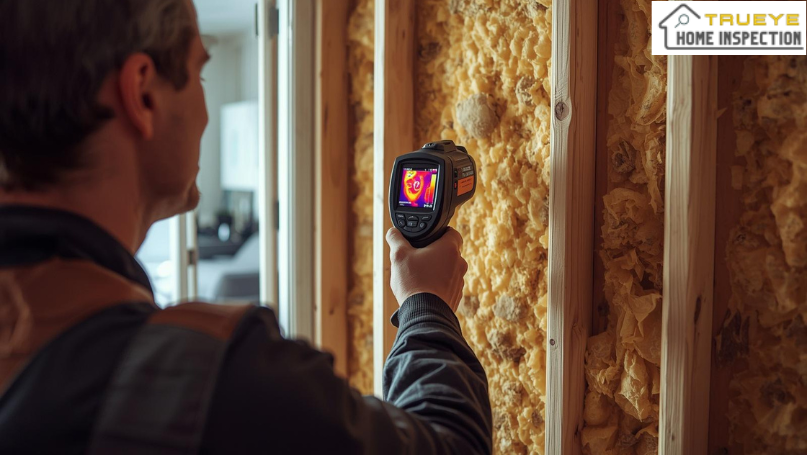
At Trueye Home Inspection & Visual Service Inc., we specialize in both new build and resale inspections. Here’s what makes us different:
- Decades of Construction Expertise: We understand what builders do and where mistakes commonly happen.
- Advanced Technology: We use thermal imaging, moisture meters, and infrared cameras to detect hidden issues.
- Comprehensive Reports: Step-by-step, easy-to-read reports that cover every major system and finish.
- Client-Focused Consultation: We explain findings, recommend next steps, and ensure you fully understand your property.
With our inspections, you can confidently move into your new home knowing that both the builder-grade finishes and code compliance have been thoroughly checked.
Conclusion
A new home is an exciting investment, but builder-grade finishes alone don’t guarantee safety or compliance. Professional new build inspections ensure that your property meets building codes, identify hidden issues, and protect your investment in the long term.
From structural integrity to electrical, plumbing, and HVAC systems, Trueye Home Inspection & Visual Service Inc. provides the thorough evaluations you need. Our combination of hands-on experience, advanced technology, and client-focused reporting makes us the trusted choice for Calgary homeowners.
Don’t leave your safety or investment to chance; schedule a new build inspection with Trueye Home Inspection today and ensure your dream home is truly ready for move-in.