A home’s foundation is quite literally what everything else rests upon. Yet, it’s often one of the most overlooked parts of a property until something goes wrong. Small cracks, uneven floors, sticking doors, or moisture in the basement may seem like minor inconveniences, but they can sometimes point to larger structural concerns.
For homeowners, buyers, and real estate investors, understanding the importance of Structural Inspections can help prevent costly surprises and protect one of their biggest investments. In Calgary, where homes experience freeze-thaw cycles, shifting soil conditions, and seasonal moisture changes, regular structural evaluations can provide valuable insight into a property’s overall health.
Whether you’re purchasing a home, noticing signs of potential foundation issues, or simply want peace of mind, a professional structural inspection can help you make informed decisions.
Why a Strong Foundation Matters
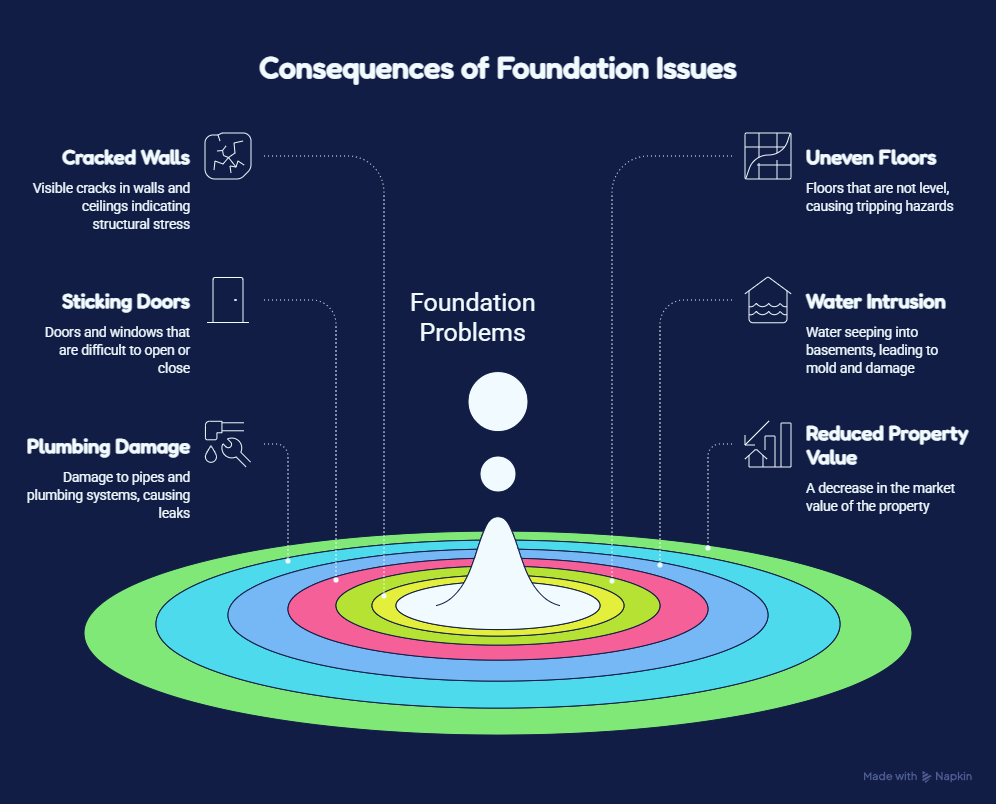
The foundation supports the entire weight of your home. When it remains stable, the structure above it functions as intended. However, when foundation movement or deterioration occurs, the effects can spread throughout the property.
A compromised foundation can lead to:
- Cracked walls and ceilings
- Uneven or sloping floors
- Doors and windows that stick or won’t close properly
- Water intrusion in basements
- Damage to plumbing systems
- Reduced property value
Not every crack or settlement issue indicates a serious problem, but identifying the cause early is essential. This is where professional Structural Inspections play a critical role.
Understanding Calgary’s Unique Foundation Challenges
Calgary homeowners face environmental conditions that can affect foundations over time.
Freeze-Thaw Cycles
During winter, water in the soil can freeze and expand. When temperatures rise, the soil contracts again. Repeated freeze-thaw cycles place stress on foundation walls and surrounding structures.
Expansive Soil Movement
Certain soil types can expand when wet and shrink when dry. Over time, this movement may contribute to foundation settlement or shifting.
Seasonal Moisture Changes
Heavy rainfall, snowmelt, and drainage issues can increase moisture around a home’s foundation. Excess water places pressure on foundation walls and may lead to cracks or leaks.
Aging Infrastructure
Older homes may experience foundation wear due to decades of environmental exposure and natural settling.
Because of these factors, Structural Inspections are especially valuable for Calgary properties, regardless of age.
Common Warning Signs of Foundation Problems
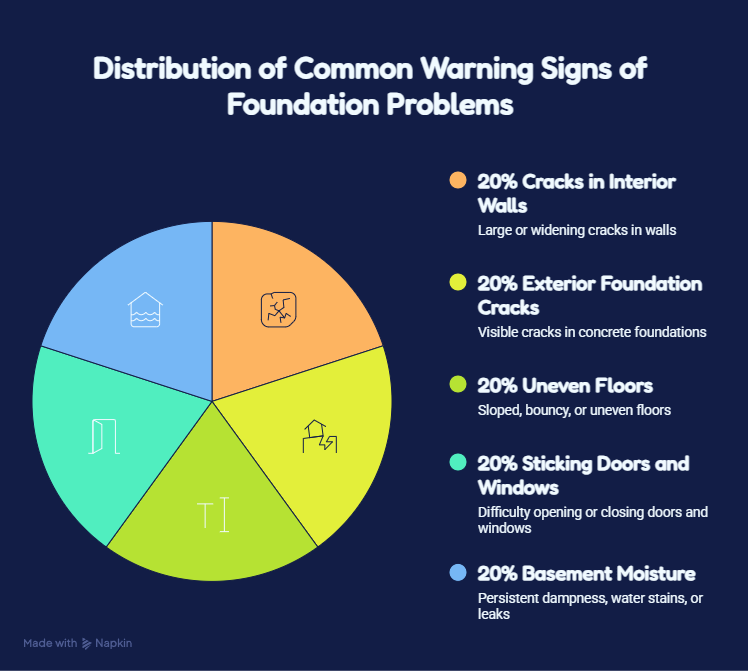
Foundation issues rarely appear overnight. Most begin with subtle symptoms that gradually become more noticeable.
Watch for these signs:
Cracks in Interior Walls
Hairline cracks can be normal as homes settle. However, large cracks, widening cracks, or cracks that appear around doors and windows may indicate structural movement.
Exterior Foundation Cracks
Visible cracks in concrete foundations should always be monitored. Some are cosmetic, while others may signal more significant concerns.
Uneven Floors
If floors feel sloped, bouncy, or uneven, the underlying structure may require further evaluation.
Sticking Doors and Windows
When a home’s frame shifts, doors and windows may become difficult to open or close properly.
Basement Moisture
Persistent dampness, water stains, or leaks can contribute to foundation deterioration and should never be ignored.
Gaps Around Frames and Trim
Separation between walls, ceilings, door frames, or window frames may indicate movement within the structure.
While these signs do not automatically mean major repairs are needed, they often warrant professional assessment.
What Happens During Structural Inspections?
Many homeowners assume a structural inspection focuses only on the foundation. In reality, inspectors evaluate how the entire structure performs as a connected system.
During Structural Inspections, professionals typically assess:
Foundation Condition
Inspectors examine visible foundation walls for:
- Cracks
- Settlement
- Bowing or movement
- Water damage
- Deterioration
Basement and Crawl Spaces
These areas often reveal early signs of structural stress and moisture-related concerns.
Load-Bearing Components
Inspectors evaluate support beams, columns, and framing elements that help distribute the home’s weight.
Floor Structure
Joists, subfloors, and support systems are reviewed for signs of sagging, movement, or damage.
Roof Structure
Attics and roof framing may provide clues about settlement, shifting, or structural strain elsewhere in the home.
Drainage Conditions
Poor drainage around a property can contribute to foundation issues, so inspectors often evaluate grading and water management systems.
The goal is to identify existing concerns, assess their severity, and determine whether further evaluation is necessary.
Not All Foundation Cracks Are Serious
One of the biggest misconceptions homeowners have is that every foundation crack signals a major problem.
In reality, concrete naturally develops small cracks over time. Many are harmless and result from normal curing or minor settlement.
However, certain cracks deserve closer attention:
- Horizontal cracks
- Stair-step cracks in masonry
- Wide or expanding cracks
- Cracks accompanied by water intrusion
- Multiple cracks appearing in different areas
Professional Structural Inspections help distinguish between normal aging and issues that require corrective action.
The Value of Structural Inspections for Home Buyers
Purchasing a home without understanding its structural condition can be risky.
A property may look well-maintained on the surface while concealing foundation movement, framing concerns, or moisture-related damage. Structural issues can be expensive to repair and may affect a home’s safety and resale value.
For buyers, a structural inspection can:
- Identify hidden concerns
- Support informed negotiations
- Reduce unexpected repair costs
- Provide confidence before closing
- Help prioritize future maintenance
Investing in an inspection before purchasing often saves significant money and stress later.
Why Existing Homeowners Shouldn’t Wait
Structural problems rarely become cheaper to fix over time.
A small foundation crack today may allow moisture intrusion tomorrow. Minor settlement could gradually affect walls, floors, and roofing systems throughout the home.
Regular Structural Inspections allow homeowners to:
- Detect issues early
- Monitor changes over time
- Protect property value
- Improve safety
- Plan maintenance budgets more effectively
Even if no obvious concerns are present, periodic inspections can provide reassurance that your home’s structure remains in good condition.
Preventing Foundation Problems
While not every structural issue can be prevented, homeowners can reduce risk through proactive maintenance.
Consider these best practices:
- Keep gutters and downspouts clear and functioning properly.
- Direct water away from the foundation.
- Maintain proper grading around the property.
- Address plumbing leaks quickly.
- Monitor foundation cracks for changes.
- Ensure adequate drainage around the home.
Preventive maintenance often costs far less than major structural repairs.
When Should You Schedule a Structural Inspection?
You should consider a structural inspection if:
- You’re buying a home.
- You’re selling a property.
- You notice new cracks or movement.
- Doors and windows suddenly become difficult to operate.
- Water is entering the basement.
- Floors feel uneven.
- The property has experienced flooding or significant ground movement.
Early evaluation can help determine whether concerns are cosmetic or require further attention.
Conclusion
Your home’s foundation affects everything above it, from walls and floors to doors, windows, and overall structural stability. While some signs of settling are normal, others may indicate underlying issues that deserve professional attention.
Regular Structural Inspections provide valuable insight into a property’s condition, helping homeowners and buyers identify concerns before they become major expenses. By understanding the warning signs and taking a proactive approach, you can protect your investment and maintain confidence in your home’s long-term stability.
If you’re looking for a thorough evaluation of your property’s structural condition, Trueye Home Inspection offers detailed inspections designed to uncover hidden concerns, assess foundation health, and provide the information you need to make informed decisions with confidence.