Buying or maintaining a home is a huge investment. One of the most important steps in protecting that investment is a professional home inspection report. Many homeowners and buyers underestimate the value of this document, seeing it as a mere formality rather than a crucial tool for financial and structural safety. Understanding a home inspection report can help you prevent costly repairs, maintain your property efficiently, and make informed decisions for years to come.
Whether you’re a first-time homebuyer, a seller preparing your property for sale, or a homeowner planning preventive maintenance, a clear understanding of your property inspection report is key. Let’s dive into what these reports include, how to interpret them, and how to maximize the benefits of a professional home maintenance inspection.
What Is a Home Inspection Report?
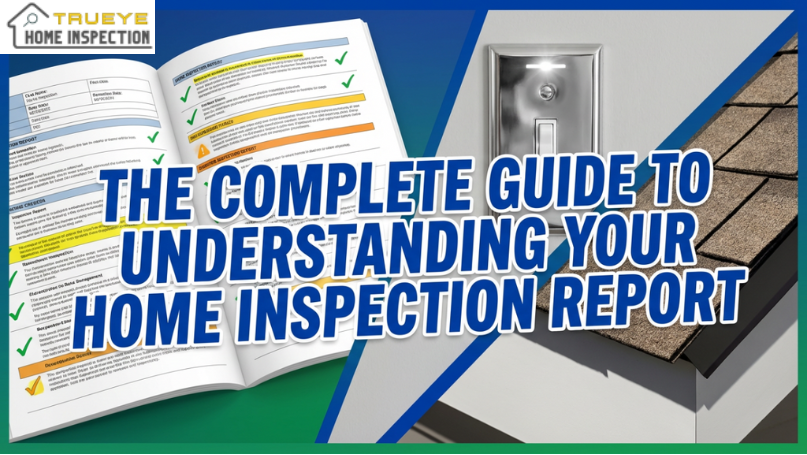
A home inspection report is a detailed document created by certified inspectors after evaluating a property. It provides a comprehensive assessment of the home’s condition, highlighting potential issues and areas that require attention.
The report typically includes:
- Structural evaluation, including foundation, walls, and roofing.
- Plumbing, electrical, and HVAC systems.
- Safety concerns such as mold, fire hazards, and pest infestations.
- Recommendations for maintenance, repairs, or further specialist assessments.
The primary goal of a home inspection report is to give homeowners and buyers a clear picture of the property’s condition, enabling informed decisions about repairs, maintenance, and investment.
Key Sections of a Home Inspection Report
Understanding the structure of the report is crucial for leveraging its benefits. Most reports are divided into multiple sections, each covering a critical part of the home.
1. Structural Inspection
A structural inspection focuses on the integrity of the home’s framework. Inspectors check:
- Foundation stability, cracks, or uneven settlement
- Walls, beams, and ceilings for any structural weakness
- Roofing, including shingles, gutters, and water damage
Early detection of structural problems can prevent major repairs later. For instance, catching a small foundation crack early can save thousands in repair costs and preserve the home’s safety.
2. Plumbing and Electrical Systems
Faulty plumbing or outdated electrical wiring can lead to serious damage or hazards. A thorough property inspectionwill evaluate:
- Leaks, corroded pipes, and water pressure issues
- Electrical panels, circuit breakers, grounding, and wiring safety
- Proper installation and functionality of outlets and fixtures
Identifying these issues early helps avoid major water damage, fire hazards, or appliance failures.
3. Heating, Ventilation, and Air Conditioning (HVAC)
HVAC systems are essential for comfort and energy efficiency. During a home maintenance inspection, inspectors check:
- Heating and cooling system performance
- Airflow and ductwork efficiency
- Signs of wear or potential failure
Timely maintenance can prevent breakdowns, reduce energy costs, and extend the lifespan of your HVAC system.
4. Interior and Attic Spaces
Interior and attic inspections focus on hidden issues that can escalate if ignored. Inspectors look for:
- Signs of water damage, leaks, or mold
- Proper insulation and ventilation
- Pest infestations or other hidden threats
Addressing these problems early can prevent costly repairs and maintain a healthy indoor environment.
5. Safety Concerns
A comprehensive home inspection report also includes safety evaluations:
- Fire hazards from faulty wiring or appliances
- Presence of harmful substances like mold or asbestos
- Compliance with building codes and local regulations
Safety-related findings are often the most critical, as they protect both the property and its occupants.
How to Read and Interpret a Home Inspection Report
Many homeowners receive a report but don’t fully understand its implications. Here’s how to interpret key findings:
- Severity Ratings: Inspectors often categorize issues as minor, major, or urgent. Minor repairs may be cosmetic, while major or urgent findings require immediate attention.
- Visual Documentation: Photos included in the report help pinpoint exact problem areas.
- Recommendations: The report provides actionable advice for repairs, maintenance, or further evaluation by specialists.
By understanding these elements, homeowners can prioritize repairs, plan budgets, and prevent small issues from escalating into costly problems.
Common Misconceptions About Home Inspection Reports
Even with detailed reports, many people misunderstand their purpose:
- It’s Only for Buyers: While essential during purchases, reports are equally valuable for homeowners planning preventive maintenance. Regular home maintenance inspections identify issues before they become emergencies.
- Minor Issues Can Be Ignored: Small problems like hairline cracks or minor leaks can escalate into serious structural or water damage. Addressing them early saves money.
- Reports Guarantee a Problem-Free Home: Inspections provide a snapshot of the home’s condition at a specific time. Regular follow-ups and maintenance are still necessary.
Understanding these points ensures you use your home inspection report effectively.
Maximizing the Benefits of Your Home Inspection Report
To make the most of your inspection report:
- Hire Certified Inspectors: Licensed professionals provide accurate assessments and reliable recommendations.
- Attend the Inspection: Seeing issues firsthand helps you understand repair needs and maintenance priorities.
- Review the Report Thoroughly: Focus on both immediate and long-term recommendations.
- Follow Up on Repairs: Schedule necessary fixes promptly to prevent escalation.
- Keep Records: A comprehensive report serves as a reference for future maintenance or resale negotiations.
These practices ensure that your property inspection provides maximum value and protects your investment.
Long-Term Value of Home Inspections
Beyond immediate cost savings, understanding your home inspection report adds long-term benefits:
- Protect Your Investment: Early detection of structural or system issues preserves your property’s value.
- Enhance Safety: Regular inspections ensure a safe living environment.
- Plan Maintenance Strategically: A report helps schedule repairs and preventive measures, reducing emergency costs.
- Peace of Mind: Knowing your home’s condition gives confidence and reduces stress for both homeowners and buyers.
Think of it as a roadmap for maintaining your property efficiently and safely.
Case Study: How Inspections Prevented Major Expenses
Consider a homeowner who skipped a professional inspection:
- A minor leak in the roof went unnoticed. Over a year, water damage led to mold and weakened structural beams, costing over $15,000 to repair.
- Faulty electrical wiring caused a small fire in the kitchen, damaging appliances and cabinets. A property inspection earlier could have prevented this disaster.
In contrast, a home maintenance inspection would have flagged these issues early, allowing cost-effective repairs before they escalated.
Conclusion
A home inspection report is more than paperwork—it’s a critical tool for protecting your home, finances, and family. From uncovering structural flaws to evaluating plumbing, electrical, and HVAC systems, the home inspection benefitsare clear: cost savings, improved safety, and informed property decisions.
Regular home maintenance inspections and detailed property inspections allow homeowners to stay ahead of problems, plan repairs efficiently, and maintain their home’s value over time.
For homeowners and buyers looking for thorough and reliable inspections, Trueye Home Inspection provides detailed home inspection reports, expert guidance, and comprehensive structural inspections to ensure your home remains safe, well-maintained, and free from costly surprises. Investing in professional inspections today saves thousands tomorrow and keeps your home in excellent condition for years to come.