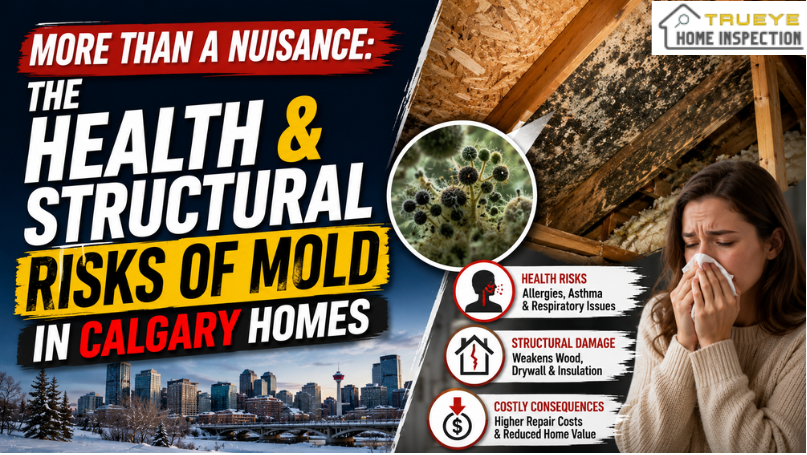
Why Mold Problems in Calgary Homes Should Never Be Ignored
Many homeowners think mold is only a cosmetic issue. If a small dark patch appears in the bathroom or basement, it’s often cleaned quickly and forgotten. But mold is far more than a surface-level nuisance.
In reality, mold can affect your home’s structure, indoor air quality, energy efficiency, and even the health of the people living inside. In Calgary, where changing temperatures, winter condensation, and hidden moisture problems are common, mold growth can spread quietly before homeowners realize there’s a serious issue.
That’s why professional mold inspection in Calgary services have become increasingly important for homeowners, buyers, and property investors. Identifying mold early helps prevent costly repairs and protects the long-term condition of your home.
Whether it’s hidden behind drywall, growing in the attic, or developing in a damp basement corner, mold should never be ignored.
Understanding Why Mold Grows in Calgary Homes
Mold is a fungus that thrives in damp, humid environments. It spreads through microscopic spores that travel through the air and settle on moist surfaces.
Once moisture is present, mold can begin developing within 24 to 48 hours.
Calgary homes are particularly vulnerable because of:
- Cold winters and indoor heating
- Condensation buildup
- Snow and ice accumulation
- Basement moisture
- Poor attic ventilation
- Roof leaks and plumbing issues
Even newer homes can develop mold problems if moisture management is poor.
Common Causes of Mold Growth Indoors
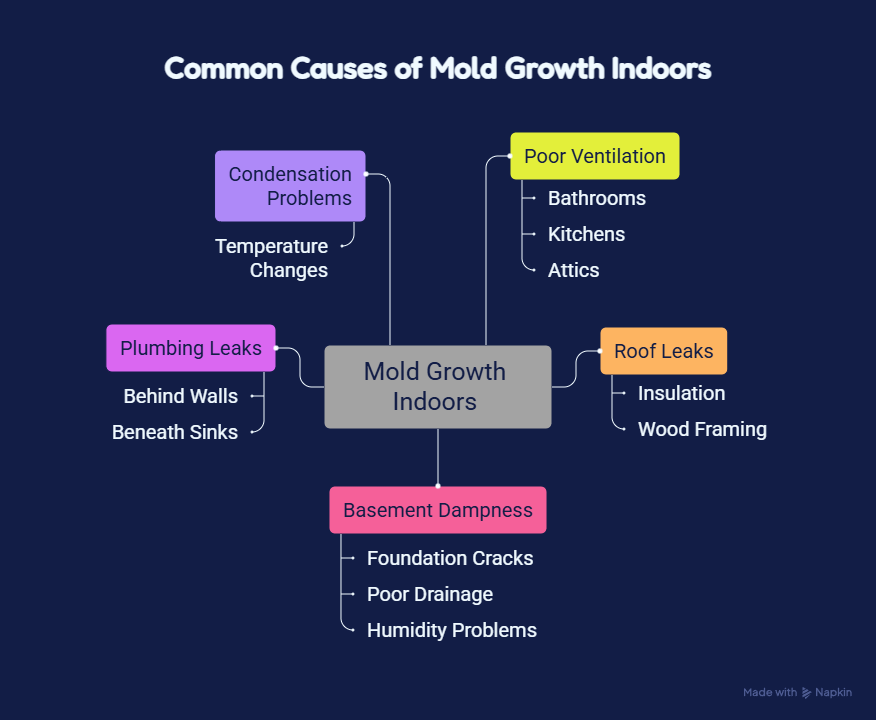
A professional mold inspection in Calgary often reveals moisture problems homeowners didn’t realize existed.
Some of the most common causes include:
Poor Ventilation
Bathrooms, kitchens, and attics without proper airflow trap moisture indoors, creating ideal conditions for mold growth.
Roof Leaks
Small roof leaks may seem minor at first, but moisture trapped in insulation or wood framing can quickly lead to hidden mold.
Basement Dampness
Basements naturally hold more moisture due to their location below ground level.
Foundation cracks, poor drainage, and humidity problems increase mold risks significantly.
Plumbing Leaks
Leaks behind walls or beneath sinks often remain hidden for long periods, allowing mold to spread unnoticed.
Condensation Problems
Calgary’s cold weather often causes condensation around windows, pipes, and attic spaces.
Over time, this moisture buildup contributes to mold growth.
The Health Risks of Mold Exposure
One of the biggest concerns surrounding mold is its impact on indoor air quality.
Mold releases spores into the air, which can affect people differently depending on exposure levels and sensitivity.
For some individuals, symptoms may be mild. For others, especially those with respiratory conditions, mold exposure can become more serious.
Common Symptoms Linked to Mold Exposure
People living in mold-affected homes may experience:
- Sneezing and coughing
- Nasal congestion
- Eye irritation
- Skin irritation
- Sore throat
- Headaches
- Fatigue
- Increased asthma symptoms
These symptoms often become worse indoors and improve after leaving the property.
Children and Elderly Individuals Are More Vulnerable
Young children, elderly individuals, and people with weakened immune systems are generally more sensitive to poor indoor air quality.
Because children spend more time indoors and breathe faster than adults, prolonged mold exposure may affect them more significantly.
Mold Can Affect Overall Indoor Comfort
Even when health symptoms are mild, mold often creates uncomfortable living conditions.
Homes with mold problems may feel:
- Damp or humid
- Musty-smelling
- Poorly ventilated
- Difficult to heat properly
Indoor comfort and air quality often decline as mold spreads.
Structural Risks Mold Can Cause in Calgary Homes
While health concerns receive a lot of attention, the structural damage caused by mold can be equally serious.
A professional mold inspection in Calgary often uncovers hidden deterioration inside walls, ceilings, attics, and basements.
How Mold Damages Building Materials
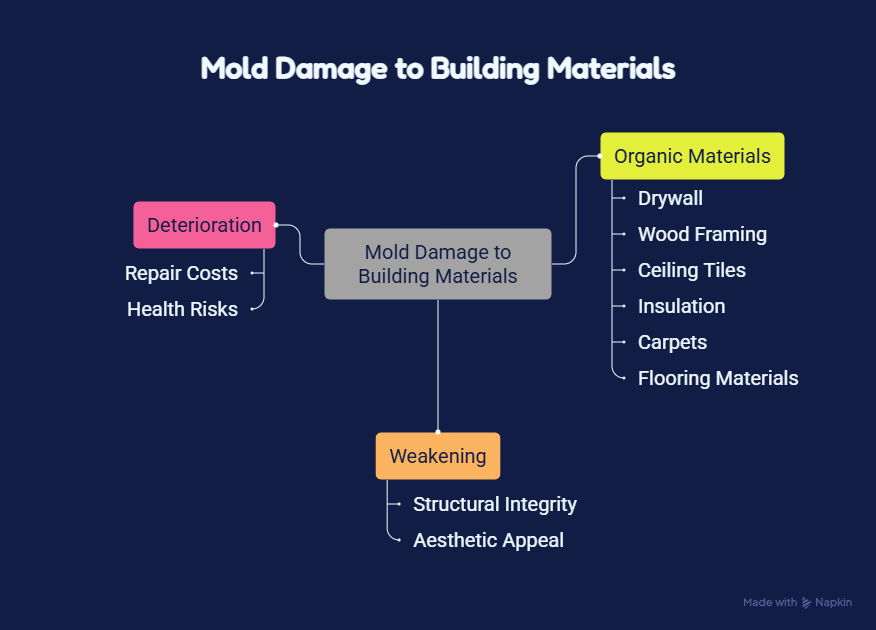
Mold feeds on organic materials commonly found in homes.
This includes:
- Drywall
- Wood framing
- Ceiling tiles
- Insulation
- Carpets
- Flooring materials
Over time, mold weakens these materials and contributes to long-term deterioration.
Wood Rot and Structural Weakening
When moisture remains trapped in wood for extended periods, mold growth is often followed by wood rot.
This can weaken:
- Roof framing
- Floor joists
- Wall studs
- Subflooring
Left untreated, structural repairs can become extremely expensive.
Insulation Damage
Wet insulation loses its effectiveness quickly.
Mold-contaminated insulation may:
- Trap moisture
- Reduce energy efficiency
- Increase heating costs
- Require full replacement
This is especially common in Calgary attics where ventilation problems exist.
Damage to Walls and Ceilings
Hidden mold behind drywall often causes:
- Bubbling paint
- Cracked surfaces
- Staining
- Warping
These cosmetic issues usually indicate a deeper moisture problem inside the wall structure.
Hidden Mold Is One of the Biggest Problems
One reason mold becomes so damaging is because it often grows out of sight.
Visible mold is only part of the problem. In many cases, the larger contamination exists behind surfaces homeowners cannot easily inspect.
Common hidden mold locations include:
- Behind drywall
- Under flooring
- Inside attics
- Beneath carpets
- Around HVAC systems
- Inside crawl spaces
This is why professional inspections are so important.
Signs You May Need a Mold Inspection in Calgary
Many homeowners wait until mold becomes visible before seeking help.
However, early warning signs often appear much sooner.
You may need a mold inspection in Calgary if you notice:
- Persistent musty odors
- Water stains on ceilings or walls
- Increased indoor humidity
- Condensation on windows
- Recent flooding or leaks
- Peeling paint or warped drywall
- Allergy-like symptoms indoors
Even subtle signs may point to hidden mold growth.
What Happens During a Professional Mold Inspection?
A proper inspection is much more detailed than a simple visual check.
Professional inspectors use specialized tools and methods to identify moisture issues and hidden contamination.
Visual Assessment
Inspectors examine visible signs of mold, water damage, and ventilation problems throughout the home.
Moisture Detection
Moisture meters help locate damp areas inside walls, ceilings, and flooring materials.
This step is critical because mold cannot grow without moisture.
Thermal Imaging
Thermal imaging cameras may be used to identify temperature differences caused by hidden moisture buildup.
Air Quality Testing
Air sampling can help determine whether elevated mold spore levels exist inside the property.
This is especially useful when mold is suspected but not visible.
Surface Sampling
In some cases, samples are collected from affected areas for laboratory analysis.
Why Calgary Attics and Basements Are High-Risk Areas
Certain areas of the home are more vulnerable to mold than others.
Attics
Attics in Calgary often experience condensation due to warm indoor air meeting cold roof surfaces.
Poor ventilation can lead to:
- Frost buildup
- Damp insulation
- Mold growth on roof decking
Basements
Basements naturally retain more moisture because they sit below ground level.
Even minor seepage or humidity problems can create ideal conditions for mold.
Why DIY Mold Removal Often Fails
Many homeowners try to clean mold using bleach or household cleaners. While this may temporarily remove visible stains, it rarely solves the root problem.
DIY cleanup often fails because:
- Hidden mold remains untreated
- Moisture sources continue
- Spores may spread further
- Structural damage is overlooked
Without addressing the underlying moisture issue, mold usually returns.
How to Reduce the Risk of Mold in Your Home
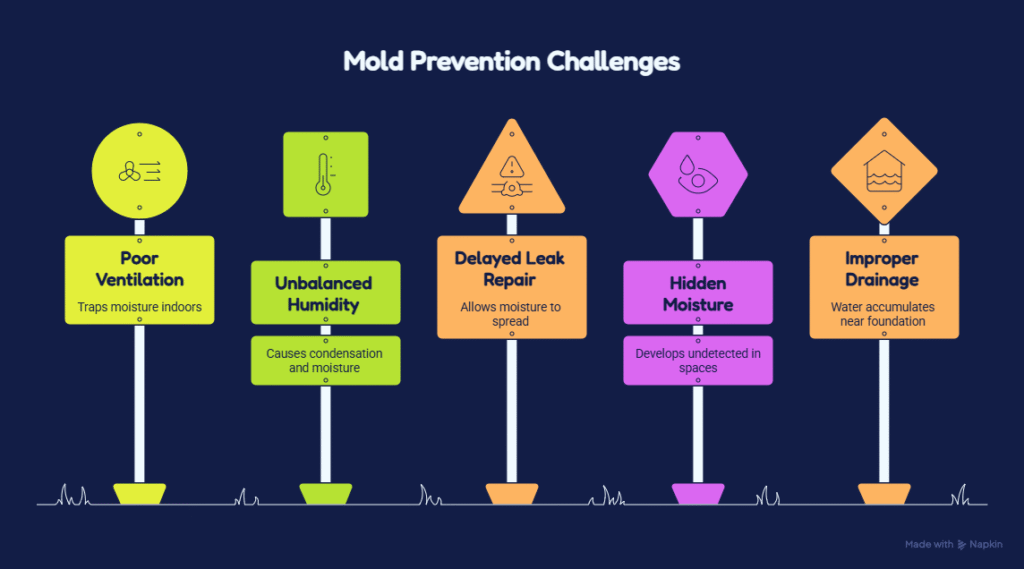
Preventing moisture buildup is the most effective way to reduce mold risks.
Here are some practical prevention tips:
Improve Ventilation
Use exhaust fans in bathrooms, kitchens, and laundry areas regularly.
Monitor Indoor Humidity
Balanced humidity levels help prevent condensation and moisture accumulation.
Address Leaks Quickly
Even small plumbing or roof leaks should be repaired immediately.
Inspect Attics and Basements Regularly
These spaces often develop hidden moisture problems before visible signs appear.
Maintain Proper Drainage
Keep gutters clean and ensure water flows away from the foundation.
Why Early Mold Detection Saves Money
One of the biggest advantages of scheduling a professional mold inspection in Calgary is preventing larger repair costs later.
Early detection helps homeowners avoid:
- Structural repairs
- Drywall replacement
- Flooring damage
- Insulation replacement
- Large-scale remediation projects
The sooner mold problems are identified, the easier and less expensive they are to manage.
Final Thoughts
Mold is much more than an unpleasant smell or cosmetic stain. It can quietly impact your home’s structure, indoor air quality, energy efficiency, and overall safety if left untreated.
In Calgary homes, where seasonal weather changes create ongoing moisture challenges, mold problems can develop faster than many homeowners expect.
A professional mold inspection in Calgary helps identify hidden moisture sources, uncover contamination early, and protect both your property and the people living inside it.
If you suspect mold growth or simply want peace of mind about your home’s condition, Trueye Home Inspectionprovides detailed and reliable inspections designed to help Calgary homeowners detect problems early and take informed next steps with confidence.