

Many homeowners don’t spend much time in their basement, which makes it easy to miss early warning signs of serious issues. Small leaks, damp walls, or a musty smell might not seem like a big deal at first. But over time, these problems can grow into health hazards and major repairs. A cracked foundation or spreading mold can weaken your home and your well-being. That’s why a proper inspection of your basement and foundation is more than just routine , it’s protection. This blog explains what a foundation inspection uncovers and why it’s essential for every homeowner.
What Are the Signs of Basement Leaks and Mold?
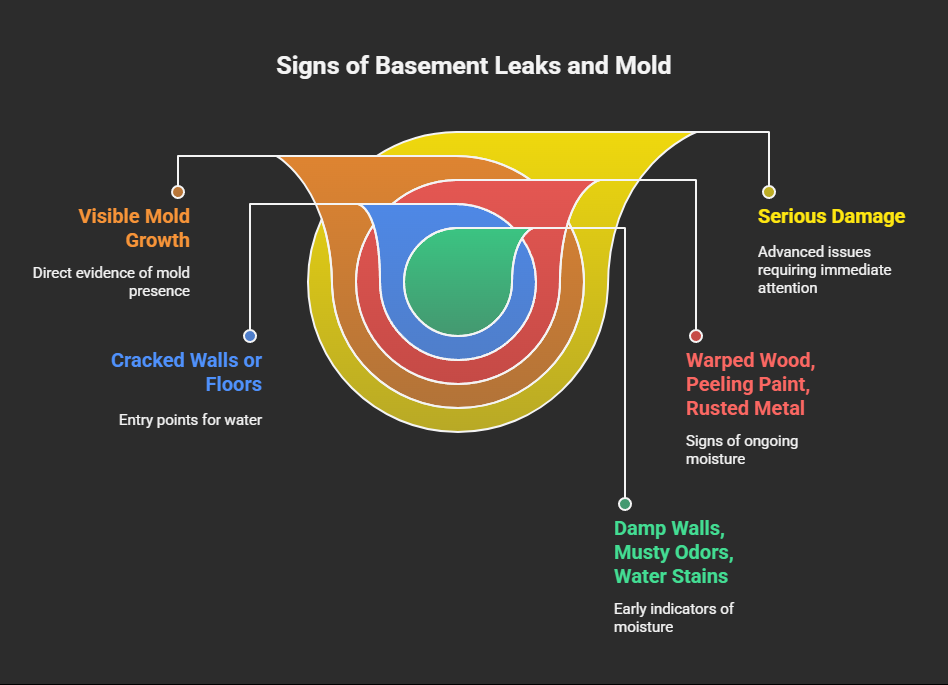
Basement problems often show subtle signs before they turn into serious damage. Knowing what to look for can help you catch issues early.
- Damp or wet basement walls: Moisture that seeps through foundation cracks or wall joints.
- Musty or earthy odors: A clear sign that mold or mildew might be growing.
- Water stains or puddles: Especially after heavy rain or snow melting.
- Cracked walls or floors: Even hairline cracks can allow water to enter and expand with time.
- Efflorescence: A white, chalky residue left by mineral deposits from water.
- Visible mold growth: Often found in corners, along baseboards, or behind stored items.
- Warped wood, peeling paint, or rusted metal: All signs of ongoing moisture.
Ignoring these symptoms may lead to structural damage, costly repairs, and health issues for your family.
Why Do Leaks and Mold Happen in the Basement?
Basements are naturally vulnerable to moisture and mold because they are located underground and surrounded by soil. Several factors contribute to the development of leaks and mold:
- Poor drainage: If your home’s grading slopes toward the foundation or your gutters are clogged, water pools around the base and finds its way in.
- Cracks in the foundation: These can form due to settling, tree roots, or hydrostatic pressure from outside water.
- Plumbing leaks: Pipes running through the basement may leak slowly over time and create ideal conditions for mold.
- Inadequate ventilation: Trapped humid air, especially in finished basements, leads to high moisture levels.
- Missing or damaged waterproofing: Outdated waterproofing membranes or missing insulation leave your home unprotected.
When these factors combine, they create a breeding ground for mold and long-term damage that worsens if left unchecked.
What Does a Basement and Foundation Inspection Include?
A professional inspection is not just about finding visible water damage. It’s a step-by-step process that uncovers what you can’t see. When you schedule a foundation inspection with a trusted company like Trueye Home Inspections, here’s what typically happens:
- Visual inspection of walls, floors, and ceilings for cracks, bowing, or staining.
- Moisture meter readings to detect dampness behind surfaces.
- Thermal imaging cameras to spot cold areas where water is entering.
- Assessment of the exterior foundation for signs of movement or drainage issues.
- Inspection of sump pumps, floor drains, and plumbing for leakage and backup risks.
- Mold and mildew detection, even if the growth is hidden behind drywall.
- Evaluation of ventilation and airflow to see if humidity is being managed correctly.
These steps help identify both minor issues and serious risks that may require repair or mold remediation.
What Happens After the Inspection?
Once the inspection is complete, you’ll receive a detailed report outlining what was found and what should be done next. Depending on the severity of the issues, your next steps may include:
- Waterproofing solutions: Applying sealants to walls or installing a drainage system to keep water out.
- Crack repairs: Using epoxy injection or polyurethane foam to fill foundation cracks and stop leakage.
- Mold removal: Professional remediation services to safely remove mold and prevent it from returning.
- Improving basement ventilation: Adding exhaust fans, dehumidifiers, or fresh air systems.
- Upgrading or installing sump pumps: To redirect water away from your foundation during heavy rains.
- Correcting exterior grading and gutter systems: Making sure water flows away from your house.
Acting on the report promptly helps prevent further damage and keeps your home healthy and strong.
Why Trust Trueye Home Inspections for Basement and Foundation Issues
Not all inspections are equal. Trueye Home Inspections offers specialized expertise and the right tools to catch what others might miss. Here’s why homeowners trust them:
- Experts in basement and moisture inspections with years of experience in spotting leaks and mold growth
- Advanced inspection tools including moisture meters and thermal cameras for deeper accuracy
- Detailed, honest reporting that clearly explains problems and solutions in simple language
- Quick appointment scheduling and fast delivery of your report so you can act without delay
- Helpful advice on repair and prevention options tailored to your home’s needs
- Local knowledge of construction types and climate issues common in your area
With Trueye, you don’t just get an inspection. You get peace of mind knowing your basement is safe, dry, and damage-free.
Conclusion
Basement leaks and mold may start small, but they grow quickly and silently. The consequences affect more than just your walls , they can impact your health, your safety, and your home’s value. By scheduling a foundation and basement inspection, you take control early. Whether you’re seeing signs like dampness or just want to be proactive, it’s always better to know what’s happening below your home. Trusting professionals like Trueye Home Inspections ensures you catch problems before they cost you more. A dry, solid, mold-free basement is the foundation of a healthier home.
