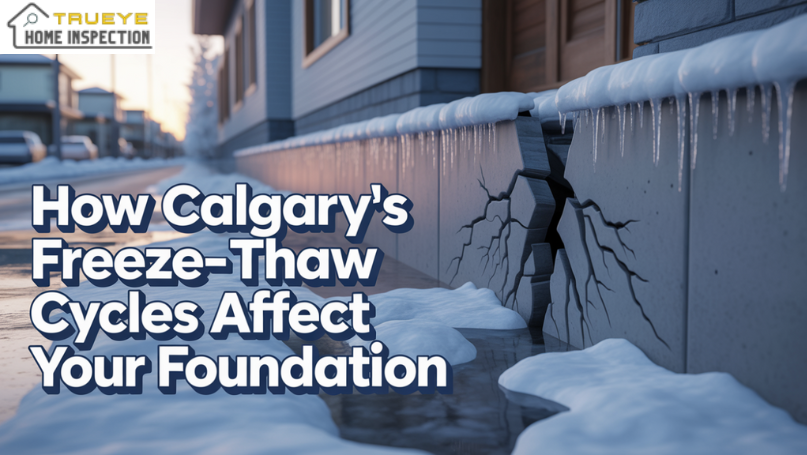
Calgary’s winters are famous for their harshness and variability. Homeowners here are well aware that the freeze-thaw cycles during the winter months are more than just an inconvenience, they can seriously impact the structural integrity of a home.
Foundations, being the backbone of any building, are particularly vulnerable to these repeated cycles of freezing and thawing. Understanding how these cycles affect your home, recognizing early warning signs, and taking preventive measures are crucial steps in safeguarding your property. For homeowners in Calgary, a Calgary Home Inspector can provide expert guidance and early detection, potentially saving thousands in costly repairs.
What Are Freeze-Thaw Cycles?
A freeze-thaw cycle occurs when temperatures fluctuate around the freezing point. During the day, temperatures may rise above 0°C (32°F), causing ice and snow to melt. At night, the temperatures drop below freezing, and any water in the soil or cracks refreezes. This cycle may happen multiple times throughout the winter season.
The repeated expansion and contraction of water can be extremely damaging. Water expands by roughly 9% when it freezes, and when it refreezes in the soil around a foundation or in cracks in concrete, it creates pressure. Over time, this pressure can destabilize soil, crack foundations, and compromise the overall structure of a home.
Why Calgary Homes Are at Risk?
Calgary’s climate makes it particularly prone to freeze-thaw damage:
- Frequent Temperature Swings: Winter days can reach above freezing while nights fall well below zero.
- Snow Accumulation: Heavy snowfall combined with meltwater increases the risk of water seeping into soil near foundations.
- Soil Type: Many Calgary homes are built on clay or expansive soils, which react strongly to water expansion and contraction.
When water penetrates soil near a foundation and freezes, it causes soil heaving, a process where soil lifts upward. Over multiple cycles, this heaving can create uneven pressure on foundation walls and slabs. Homes that aren’t properly insulated or have poor drainage are especially vulnerable.
How Freeze-Thaw Cycles Affect Foundations
Understanding the specific ways these cycles damage foundations can help homeowners recognize issues early. Here’s what typically happens:
- Cracks in Concrete and Masonry: As water in the soil expands, it exerts pressure on concrete walls and slabs. Small hairline cracks often appear first and can widen over time.
- Uneven Settling: Soil heaving can push parts of a foundation upward while other areas remain stable, causing the house to settle unevenly.
- Basement Leaks: Water entering cracks can seep into basements, leading to moisture problems, mold, and interior damage.
- Structural Shifts: Over long periods, repeated freeze-thaw cycles can lead to noticeable tilting of walls or uneven floors.
Many homeowners are unaware that these subtle changes, if left unchecked, can eventually affect doors, windows, and the overall structural safety of the home.
Early Warning Signs of Foundation Damage
Detecting foundation issues early is key to preventing costly repairs. Homeowners should watch for these signs:
- Cracks along interior or exterior walls, especially around windows and doors
- Doors and windows that stick or don’t close properly
- Uneven flooring, sloping floors, or gaps between walls and floors
- Moisture, water pooling, or damp smells in the basement
- Cracks in the driveway or exterior walkways near the home
While some cracks are minor and cosmetic, many indicate serious underlying problems. That’s where a professional Calgary Home Inspector comes in, offering thorough evaluations and recommendations.
The Role of a Calgary Home Inspector
A Calgary Home Inspector is trained to identify potential foundation issues caused by freeze-thaw cycles. Their inspections typically include:
- Foundation Assessment: Inspecting the foundation for visible cracks, shifting, or signs of heaving.
- Drainage and Grading Review: Evaluating the landscape to ensure water flows away from the foundation rather than pooling near it.
- Moisture Detection: Using specialized tools to detect water intrusion or dampness in walls, floors, and crawl spaces.
- Comprehensive Reporting: Providing detailed reports with findings, repair recommendations, and preventive strategies.
Regular inspections can detect damage before it escalates, allowing homeowners to take timely action and protect their investment.
Preventive Measures for Homeowners
While professional inspections are essential, homeowners can also take steps to minimize freeze-thaw damage:
- Proper Grading: Ensure the ground slopes away from your home so that water does not accumulate near the foundation.
- Gutter and Downspout Maintenance: Clear debris and ensure downspouts direct water at least six feet away from the foundation.
- Seal Cracks Promptly: Fill small cracks in walls or slabs to prevent water from entering and freezing.
- Install Foundation Insulation: Proper insulation can reduce temperature fluctuations in soil near the foundation.
- Manage Vegetation: Avoid planting large trees close to the foundation, as roots can disrupt soil and drainage patterns.
By combining proactive home maintenance with professional inspections, homeowners can greatly reduce the risks associated with Calgary’s freeze-thaw cycles.
Seasonal Home Care Tips
Calgary’s unique climate demands seasonal attention to prevent foundation damage:
- Fall: Clear gutters and check downspouts for blockages. Inspect the exterior for cracks and repair any damage before winter.
- Winter: Monitor snow accumulation near the home and shovel away excessive snow from around the foundation. Avoid piling snow against walls.
- Spring: After the snow melts, check the foundation and basement for signs of water damage. Address any drainage issues immediately.
- Summer: Inspect grading and landscaping to ensure proper water flow. Re-seal any cracks that may have worsened during freeze-thaw cycles.
Regular seasonal maintenance ensures the foundation remains stable and prevents long-term damage.
Long-Term Consequences of Ignoring Foundation Issues
Neglecting foundation problems caused by freeze-thaw cycles can lead to severe consequences:
- Increased Repair Costs: Minor cracks can evolve into major structural issues requiring extensive repairs.
- Decreased Property Value: Homes with visible foundation damage lose market appeal and value.
- Safety Risks: Compromised foundations can threaten the structural integrity of the entire home, posing safety hazards for occupants.
- Water Damage and Mold: Moisture intrusion can cause long-term issues such as mold growth, which affects indoor air quality and health.
Addressing problems early with the help of a Calgary Home Inspector can prevent these costly outcomes.
Why Trueye Home Inspection is Your Trusted Partner
At Trueye Home Inspection, we understand the challenges Calgary homeowners face due to freeze-thaw cycles. Our team of experienced inspectors provides:
- Comprehensive foundation assessments
- Advanced moisture and structural testing
- Detailed reporting with actionable recommendations
- Guidance on preventive measures to protect your home year-round
We combine expertise, advanced tools, and local knowledge to ensure your home remains safe, stable, and secure. Choosing Trueye Home Inspection means gaining peace of mind knowing your foundation is in expert hands.
Conclusion
Calgary’s freeze-thaw cycles can quietly compromise your foundation, leading to cracks, water damage, and costly repairs. Recognizing early warning signs and taking preventive measures is essential, but expert evaluation by a Calgary Home Inspector is the most reliable way to safeguard your home.
With thorough inspections, proactive maintenance, and professional guidance from Trueye Home Inspection, you can protect your property, prevent structural issues, and maintain the value and safety of your home for years to come.