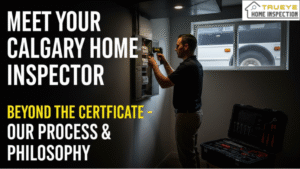
Introduction
Buying a home in Calgary is an exciting milestone, but it comes with responsibilities. One of the most crucial steps is a Calgary Home Inspection Services appointment. A thorough inspection identifies potential issues, ensures safety, and provides peace of mind before finalizing the purchase.
From roofing and plumbing to electrical systems and structural integrity, inspectors assess every detail to protect your investment. Understanding what happens during a home inspection helps you ask the right questions, interpret the report effectively, and make informed decisions. This guide provides a complete walkthrough of the inspection process and what buyers should expect.
Why a Home Inspection is Essential
A home inspection is more than a formality, it’s a crucial tool to avoid costly surprises and make informed decisions:
- Identify Hidden Issues: Inspectors uncover problems not visible during casual viewing, such as water damage, mold, or faulty wiring.
- Negotiate Repairs: Findings give buyers leverage to request repairs or adjust the purchase price before closing.
- Safety Assurance: Ensures electrical systems, gas lines, and structural components meet safety standards.
- Peace of Mind: Buyers can confidently proceed knowing the property is sound and well-maintained.
- Investment Protection: Prevents unexpected expenses and preserves the long-term value of your home.
Engaging professional Calgary Home Inspection Services ensures a detailed and reliable evaluation.
What Happens During a Calgary Home Inspection
Home inspections are methodical and cover multiple components of the property.
1. Exterior Inspection
Inspectors evaluate the home’s outside structure and surrounding areas.
- Roofing: Check shingles, gutters, flashing, and potential leaks.
- Foundation & Walls: Look for cracks, moisture issues, and structural integrity.
- Windows & Doors: Ensure proper sealing and functionality.
- Driveways & Walkways: Check for cracks, safety hazards, or drainage issues.
- Landscaping & Drainage: Inspect grading and water flow to prevent foundation problems.
2. Interior Inspection
The inside of the home undergoes a detailed review to assess functionality and safety.
- Plumbing: Check faucets, pipes, water pressure, and drainage issues.
- Electrical Systems: Inspect outlets, breakers, and overall wiring safety.
- HVAC Systems: Evaluate heating, cooling, and ventilation for efficiency and maintenance needs.
- Walls, Ceilings & Floors: Look for cracks, moisture, and structural weaknesses.
- Doors & Windows: Confirm proper operation, security, and insulation efficiency.
3. Kitchen and Bathrooms
Special attention is given to plumbing-heavy areas where leaks or damage are common.
- Appliances: Test built-in appliances for proper operation.
- Water Systems: Check for leaks, drainage, and water heater performance.
- Cabinets & Fixtures: Assess structural integrity and overall condition.
- Mold & Moisture Detection: Inspect hidden areas like under sinks and behind toilets.
4. Attic, Basement, and Crawlspaces
Inspectors explore less-accessible areas for hidden issues:
- Insulation & Ventilation: Evaluate efficiency and code compliance.
- Structural Components: Check beams, joists, and supports for damage or decay.
- Water Damage: Look for signs of flooding, mold, or moisture intrusion.
- Pest Infestations: Detect signs of rodents, insects, or other pests.
5. Report and Recommendations
After inspection, a detailed report is provided:
- Summary of Findings: Highlights major issues and safety concerns.
- Repair Recommendations: Advises on repairs, replacements, or further evaluations.
- Photos & Documentation: Visual evidence to support observations.
- Consultation Opportunity: Buyers can discuss findings directly with the inspector.
Tip: Review the report thoroughly, ask questions, and use it to negotiate repairs or price adjustments.
Tips for Homebuyers During Inspection
- Attend the Inspection: Observe the process to understand potential concerns firsthand.
- Ask Questions: Clarify any technical terms, risks, or recommended repairs.
- Focus on Safety & Structural Issues: Prioritize concerns that affect livability or future costs.
- Take Notes & Photos: Document key issues for reference during negotiations.
- Trust Professional Guidance: Experienced inspectors provide insight based on expertise and local knowledge.
Engaging certified Calgary Home Inspection Services ensures all aspects of the property are thoroughly evaluated.
Conclusion
A home inspection is a vital step in purchasing a property in Calgary. Professional Calgary Home Inspection Services identify hidden problems, ensure safety, and give buyers the confidence to proceed. From exterior and interior assessments to specialized inspections in kitchens, bathrooms, and crawlspaces, the process is thorough and detailed. Reviewing the inspector’s report and understanding recommendations allows for informed negotiations and decision-making. Attending the inspection, asking questions, and focusing on major safety and structural concerns can save buyers from unexpected costs and stress. Ultimately, investing in a professional home inspection protects your investment and ensures a secure and comfortable living environment.